
Summer Cargo Transportation Problems
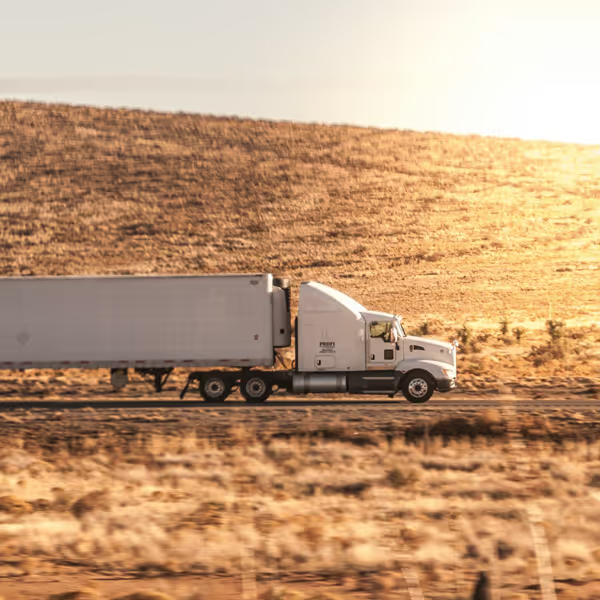
When every hour in extreme heat can cost thousands
Summer brings intense challenges for logistics companies transporting temperature-sensitive goods. Extreme heat creates dangerous conditions that can damage shipments in hours. For businesses transporting food, pharmaceuticals, or cosmetics, understanding and preventing summer cargo problems is essential for protecting product quality and customer relationships.

The Summer Heat Challenge
Summer heat consistently undermines cold chain protections through equipment failures and underestimated environmental impacts. Ambient temperatures interact with solar radiation and humidity in ways that create localized hotspots within trailers. A refrigeration unit maintaining proper temperature in the main cargo area might fail to protect goods near doors or walls exposed to direct sunlight.
Most Common Summer Transportation Problems
Rapid temperature spikes in stationary vehicles
Summer heat creates immediate threats when refrigerated vehicles sit stationary with engines off. Within 30 minutes, trailer interior temperatures can climb from safe ranges to levels that begin spoiling products. Trailers in Texas, Arizona, or Florida parking lots can reach internal temperatures exceeding 140°F (60°C) within two hours when refrigeration units aren't running.
Refrigeration equipment overwhelmed by extreme heat
When trailers pre-cool inadequately or doors open during hot loading, refrigeration systems struggle to remove accumulated heat while fighting intense external temperatures. In Central America where ambient temperatures regularly exceed 95°F (35°C) with high humidity, equipment operates at capacity limits continuously.
Extended loading and unloading in extreme heat
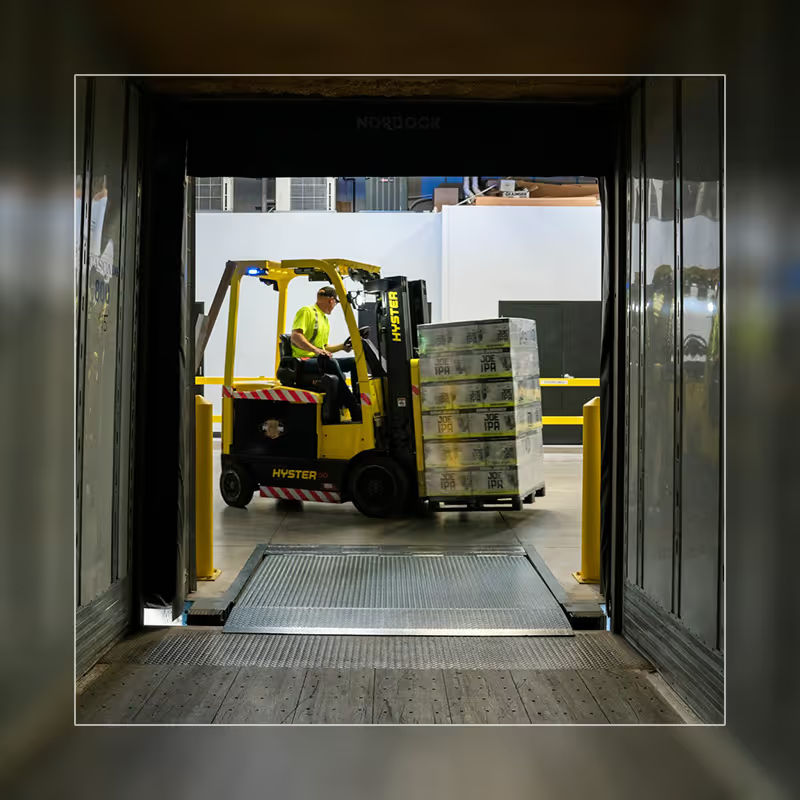
Summer loading operations expose cargo to dangerous heat for extended periods. Workers move slower in extreme temperatures, increasing door-open time. Distribution centers in Miami, Phoenix, or throughout Central America face particular challenges as loading dock areas exceed 100°F (38°C). Products spending 30-60 minutes in these zones accumulate dangerous heat.
Traffic delays without adequate monitoring
Summer brings increased road congestion from vacation travel and construction. Stop-and-go traffic in areas without shade overwhelms refrigeration systems fighting both external heat and reduced cooling efficiency from idling. A two-hour delay becomes critical when ambient temperatures exceed 95°F (35°C).
Driver decisions based on misunderstanding
A dangerous myth persists.
It's hot outside, so I can reduce refrigeration to save fuel.
Drivers unfamiliar with cargo requirements sometimes make decisions that destroy shipments. Even brief refrigeration interruptions during extreme heat can push cargo temperatures into unsafe ranges.
The documentation problem
When customers receive spoiled goods, carriers have no evidence without comprehensive data to prove where temperature failures occurred. This results in rejected shipments, disputed claims, and lost relationships.

How SmartBox, AutoGPS and TEMS Work Together
SmartBox is a compact unit that measures temperature, humidity, and location. The device transmits data continuously, triggering alerts when conditions deviate. No installation required – simply place it in cargo areas and monitoring begins.
MotoMonGPS displays real-time temperature data, route visualization, and automated alerts when limits are exceeded. All data stores for complete journey documentation.
TEMS automatically generates professional reports showing temperature curves, GPS routes, and compliance analysis – indisputable evidence for claims and regulatory requirements.
Protect Your Summer Operations
Summer cargo transportation doesn't require anxiety and losses. SmartBox, MotoMonGPS, and TEMS cover the entire chain from warehouse through delivery. When a single spoiled shipment costs thousands, monitoring technology provides immediate return through prevented losses and streamlined claims.

